



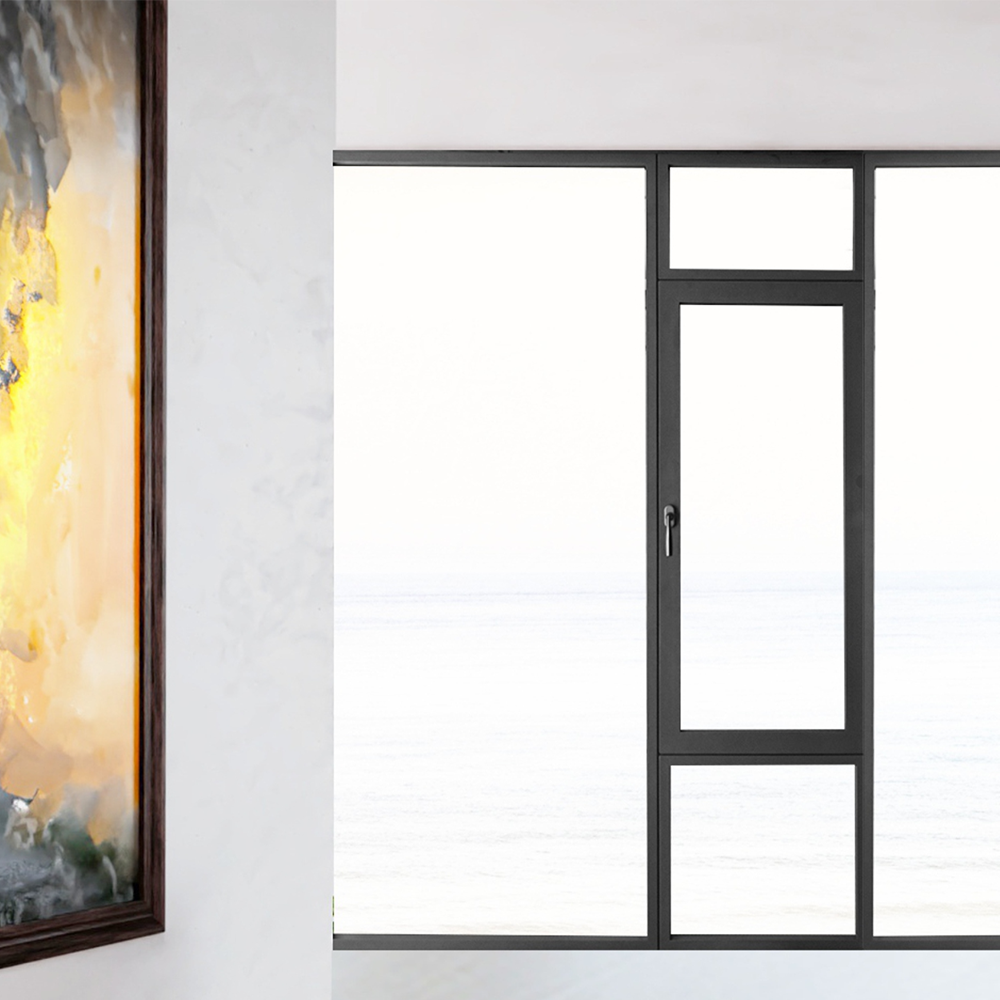
Aluminum alloy windows have become a mainstream choice for modern homes and commercial buildings due to their unique advantages. However, most people only focus on appearance and price when purchasing, neglecting core details such as glass selection, hardware, and opening mechanisms, leading to a poor user experience later on. This article will comprehensively break down the key points of purchasing aluminum alloy windows from six core aspects: advantages, glass selection, hardware selection, types of opening mechanisms, color and finish selection, quality, and pricing, helping you easily understand aluminum alloy windows and choose a durable and worry-free product that suits your needs.
Benefits of Aluminum Windows
First and foremost, the core advantages of aluminum alloy windows are key to their market success. Compared to materials like wood and PVC, aluminum alloy windows are lightweight yet sturdy, boasting high strength and toughness, making them less prone to deformation and cracking, and maintaining their pristine appearance for a long time. They are corrosion-resistant and anti-aging, resisting the erosion of rainwater, ultraviolet rays, and acidic or alkaline substances, requiring minimal maintenance and suitable for different climates, from the humid heat of the south to the frigid cold of the north. Their thermal conductivity can be optimized through insulation structures, and when combined with high-quality glass, they achieve excellent heat preservation and energy-saving effects. Furthermore, aluminum alloy is recyclable, environmentally friendly, and aligns with modern home environmental concepts. Their flexible designs also allow them to match various decorating styles, combining practicality and aesthetics.
Glazing Choices for Aluminum Windows
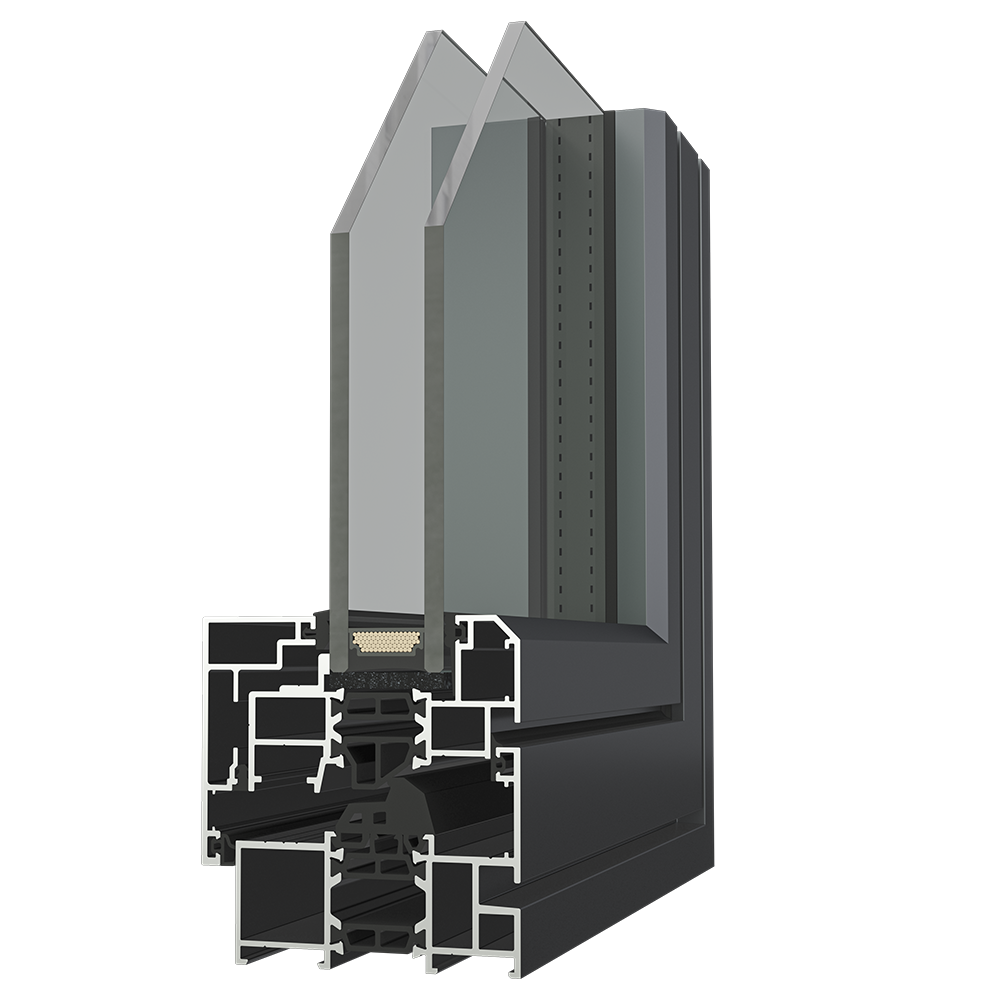
Glass selection is the “core performance” of aluminum alloy windows, directly determining the living experience in terms of sound insulation, heat preservation, and safety, and must be chosen according to needs. Basic models use ordinary single-pane glass, which is inexpensive but has poor sound insulation and heat preservation, suitable only for temporary buildings; double-pane ordinary glass improves basic performance through an air gap, suitable for scenarios with limited budgets and low performance requirements. The mainstream choice is insulated glass, with two or three panes of glass filled with dry air or argon gas, offering excellent sealing performance and effectively blocking noise and heat transfer, providing warmth in winter and coolness in summer, suitable for most households; Low-E insulated glass adds a coating that reflects infrared and ultraviolet rays, enhancing heat preservation and preventing furniture aging, suitable for areas with plenty of sunlight. Safety glass includes tempered glass and laminated glass. Tempered glass breaks into small pieces, less likely to cause injury, suitable for floor-to-ceiling windows; laminated glass breaks without scattering, and also has explosion-proof and sound-insulating properties, suitable for high-rise residential buildings and shops.
Hardware Options
Hardware fittings are the “heart” of aluminum alloy windows, directly affecting their lifespan and ease of use, and cannot be ignored. Hardware fittings mainly include hinges, handles, locks, and sliding supports. Prioritize corrosion-resistant, high-strength materials such as stainless steel and zinc alloy to prevent rust and breakage. Handles should be smooth to the touch and have good load-bearing capacity, ensuring smooth opening and closing without jamming. Hinges and sliding supports must have sufficient load-bearing capacity, especially for large windows, requiring thickened hardware to prevent sagging and deformation. Multi-point locks are preferred for stronger sealing performance and burglarproofing, ensuring home security. High-quality hardware can last for more than 10 years, while inferior hardware is easily damaged, making replacement cumbersome and affecting the window’s sealing.
Opening Mechanism Varieties
The type of opening mechanism determines the usage scenarios and convenience of windows, primarily categorized by opening method to suit different spaces. Casement windows are divided into inward-opening and outward-opening types. Inward-opening windows are easy to clean and do not occupy outdoor space, making them suitable for high-rise buildings; outward-opening windows offer good ventilation and do not occupy indoor space, making them suitable for low-rise buildings and villas. Their excellent sealing performance makes them the first choice for bedrooms and studies. Sliding windows open left and right, do not occupy indoor or outdoor space, have a large opening area, and offer smooth ventilation, making them suitable for balconies and living rooms, but their sealing performance is slightly inferior. Hung windows are divided into top-hung, bottom-hung, and center-hung types. They have a small opening angle, providing both ventilation and preventing rainwater backflow, making them suitable for spaces such as bathrooms and kitchens where large openings are inconvenient. In addition, sliding and casement windows combine the advantages of both, offering high flexibility; fixed windows are only used for lighting and are suitable as a supplementary part of floor-to-ceiling windows.
Color and Finish Selection
The choice of color and finish determines the compatibility of aluminum alloy windows with home decor, balancing aesthetics and practicality. Common finishes include powder coating, fluorocarbon coating, and wood grain transfer. Powder coating offers a rich variety of colors, moderate pricing, and good weather resistance, making it suitable for most homes. Fluorocarbon coating boasts vibrant colors and strong corrosion resistance, making it suitable for outdoor commercial projects or high-end residences. Wood grain transfer simulates natural wood grain, offering a warm and smooth texture, and is well-suited for Chinese and retro styles. Color selection should consider both the interior design style and the building’s facade. For interiors, the color can match the main color scheme of the home, while for exteriors, it should coordinate with the building’s appearance to avoid jarring contrasts. Prioritize colors that are stain-resistant and fade-resistant to reduce future cleaning hassles.
Conclusion
Finally, the quality and price of aluminum alloy doors and windows are closely related, so it’s essential to learn to distinguish between good and bad and make a rational purchase. Quality mainly depends on the thickness of the profile, the processing technology, and the sealing performance. High-quality profiles are at least 1.4mm thick, ensuring a stable structure; the processing technology is meticulous, with tight, seamless joints and smooth opening; the sealing strips use EPDM material, providing good waterproofing and sound insulation. In terms of pricing, basic aluminum alloy windows (ordinary profiles + single-pane glass + low-quality hardware) are cheaper and suitable for temporary use; mid-range products (high-quality profiles + double-glazed glass + brand-name hardware) offer high cost-performance and are suitable for most families; high-end products (thickened profiles + LOW-E double/laminated glass + imported hardware) are more expensive and suitable for high-end residences, offering better quality and performance guarantees. When purchasing, avoid focusing solely on price; prioritize reputable brands with after-sales support, balancing quality and budget.
In summary, when choosing aluminum alloy windows, six core aspects need to be considered: leveraging the material’s advantages to adapt to the local climate; selecting the glass and opening mechanism according to the usage scenario; ensuring durability with high-quality hardware; choosing the color finish to match the decorating style; and finally, selecting a product of appropriate quality based on your budget. Understanding these key points will help you avoid common purchasing mistakes and choose aesthetically pleasing, practical, durable, and worry-free aluminum alloy windows, adding comfort and peace of mind to your home.