



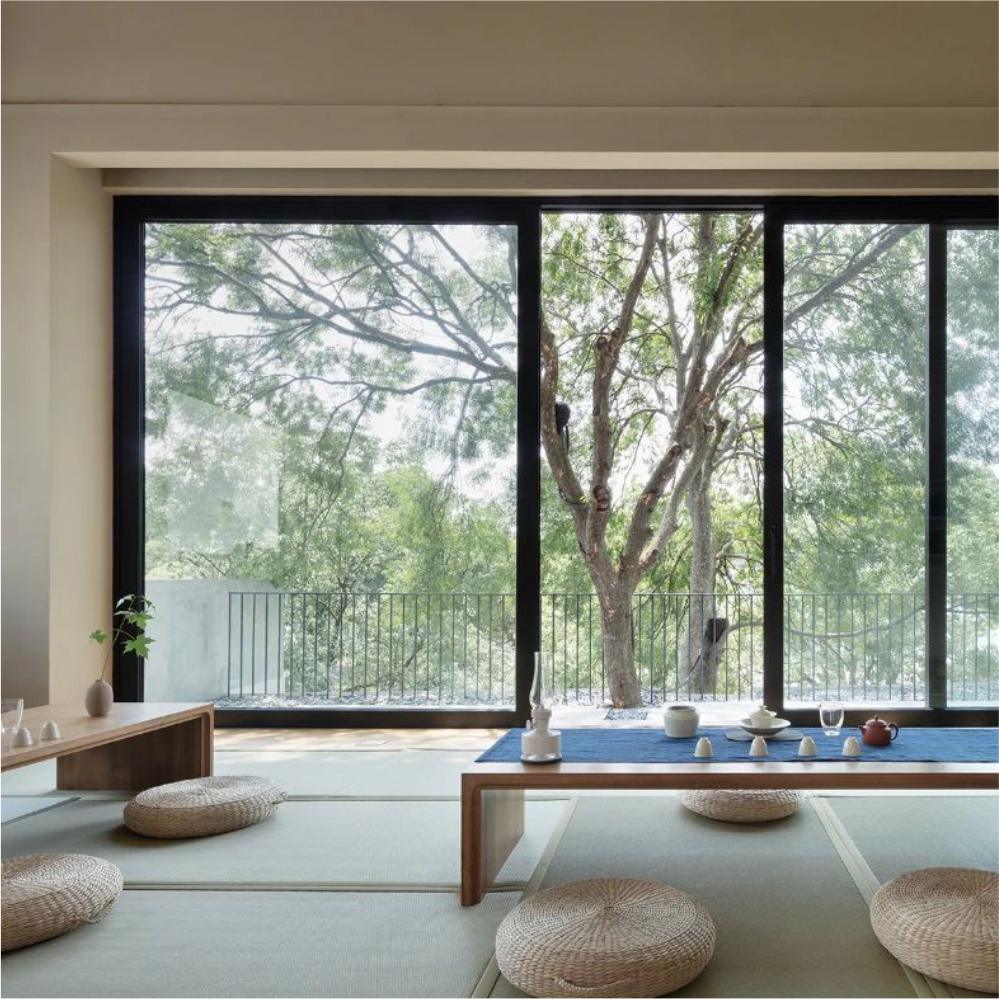
best windows and doors
Doors and windows are the “eyes” of a building, serving as both a link between indoor and outdoor spaces and a core component ensuring living comfort, safety, and energy efficiency. Judging the quality of a door or window is never based on a single dimension—appearance or price—but rather on a comprehensive balance of performance, durability, adaptability, and environmental friendliness. Europe, as one of the birthplaces of door and window craftsmanship, boasts traditional doors and windows that not only embody centuries of architectural culture but also serve as a global benchmark for traditional doors and windows due to their exquisite craftsmanship and stringent standards. Below, we will clarify the core standards for good doors and windows and interpret the unique characteristics of high-quality traditional European doors and windows.
Truly good doors and windows are characterized by “system compatibility, superior performance, and durability,” rather than simply piling up individual components. First and foremost, good doors and windows must possess excellent basic performance characteristics. Thermal insulation, sound insulation, and airtightness/ watertightness are the three core indicators, crucial for achieving energy efficiency and comfort. High-quality doors and windows require precise matching of profiles, glass, and seals to effectively block heat transfer between indoors and outdoors, reducing energy consumption for air conditioning and heating, while filtering external noise to create a quiet indoor environment. Their airtightness and watertightness must meet corresponding standards to prevent rainwater leakage and dust intrusion.
Secondly, durability is indispensable for good doors and windows. The quality of the materials and hardware directly determines the lifespan of doors and windows. High-quality materials need to be corrosion-resistant, deformation-resistant, and UV-resistant, while hardware needs to be smooth, durable, and rust-resistant, maintaining good condition even after tens of thousands of opening and closing cycles. Furthermore, good doors and windows need to consider aesthetics and adaptability. The exterior design should coordinate with the architectural style, the opening method should suit the usage scenario, and they should be environmentally friendly, using materials that do not release harmful gases, aligning with the concept of green living. In short, good doors and windows are an organic unity of “performance, durability, aesthetics, and environmental protection,” meeting practical needs while enhancing the quality of life.
European high-quality traditional doors and windows, while adhering to the core standards of good doors and windows, also incorporate local architectural culture and craftsmanship, forming a distinctive feature of “practicality and aesthetics coexisting, tradition and durability being taken into account.” Wooden doors and windows and casement doors and windows are the main representatives, carrying the architectural heritage of Europe for hundreds of years.
The primary characteristics of high-quality traditional European doors and windows are **strict selection of materials and exquisite craftsmanship**. Traditional doors and windows often use premium natural woods such as oak and pine. These woods undergo multiple processes including natural dehydration, anti-corrosion, and insect-proofing, resulting in a hard texture that is resistant to warping. This allows them to withstand the diverse climates of Europe while retaining the natural warmth and texture of the wood. In terms of craftsmanship, traditional European doors and windows are handcrafted and precisely joined using mortise and tenon joints. This eliminates the need for additional nails, ensuring structural stability and showcasing meticulous craftsmanship. Many centuries-old buildings still function perfectly well with their traditional doors and windows, a testament to the high level of craftsmanship they represent.
Secondly, the designs are adapted to European climate and architectural styles, emphasizing detail and practicality. Northern Europe, with its cold climate, traditional doors and windows often feature double-glazed windows with tight sealing to enhance insulation and reduce heat loss. Southern Europe, with its warmer climate, prioritizes ventilation, often employing large-opening designs to balance natural light and airflow. Furthermore, traditional European doors and windows feature a simple yet elegant design with smooth lines and minimal ornamentation, perfectly complementing classic European architectural styles such as Gothic, Baroque, and pastoral. The wood grain blends seamlessly with the exterior and interior decorations, showcasing a low-key yet refined style.
Furthermore, traditional European doors and windows emphasize both heritage and adaptation, balancing historical significance with practical needs. For example, traditional British sliding windows, originating in the 17th century, feature a sliding blade design with a pulley system for smooth opening. The use of multiple panes of glass and exquisite window lattice design ensures ample natural light while reflecting the architectural characteristics of the Georgian and Victorian periods. Traditional French wooden casement windows, often featuring arched designs and stained glass, offer excellent sealing while also embodying European religious and artistic culture, becoming a focal point of the architecture.
Furthermore, high-quality traditional European doors and windows have always adhered to the core principles of “durability and environmental protection.” They use sustainably harvested natural tree species and avoid excessive processing, preserving the inherent characteristics of the materials. This aligns with Europeans’ pursuit of a natural lifestyle and resonates with current environmental concepts. Even with the development of modern door and window technology, traditional European doors and windows have not been eliminated. Instead, they have incorporated modern sealing and insulation technologies while retaining traditional craftsmanship, achieving a perfect fusion of tradition and modernity.
In conclusion, good doors and windows are a unity of comprehensive performance and practical value. High-quality traditional European doors and windows perfectly combine craftsmanship, climate adaptability, cultural heritage, and practical needs. They not only carry the historical memory of European architecture but also provide valuable reference for modern door and window design. They are not merely architectural accessories but also an epitome of European culture and craftsmanship, radiating a unique charm even after a century.