


Why Aluminum Alloy Windows and Doors Are More Suitable for the European Market
Driven by energy-saving building upgrades, the renovation boom in older homes, and low-carbon policies in Europe, aluminum alloy windows and doors have gradually replaced traditional wooden and PVC windows, becoming the mainstream choice for newly built residential, apartment, villa, and commercial buildings. Compared to the weaknesses of wooden windows (easily deformed) and PVC windows (insufficient strength), aluminum alloy windows and doors offer numerous advantages, including durability, energy efficiency, thermal insulation, suitability for the European climate, low carbon emissions and recyclability, and versatile design. These advantages perfectly align with European market regulations, living habits, and aesthetic trends, making them the most cost-effective and long-term value window and door category in Europe today.
Firstly, aluminum alloy windows and doors have excellent weather resistance, adapting to the complex European climate. Europe spans a vast area; Northern Europe is cold and snowy, Western Europe is rainy and humid, and Southern Europe has strong sunshine, placing extremely high demands on the anti-aging, anti-corrosion, and temperature-difference resistance of windows and doors. High-quality thermally broken aluminum alloy profiles undergo special surface treatment, possessing properties such as UV resistance, rust resistance, weather resistance, and resistance to high and low temperatures. They will not fade even after prolonged exposure to sunlight, will not mold or rust in humid environments, and are not prone to brittleness or deformation in extremely cold winters. Compared to traditional solid wood doors and windows, which are prone to cracking, moisture damage, and insect infestation, requiring annual maintenance and repainting; and PVC doors and windows, which are prone to aging, yellowing, and deformation due to prolonged sun exposure, aluminum alloy doors and windows require almost no additional maintenance and have a lifespan of over 50 years, perfectly meeting the European demand for long-term use and low maintenance costs in architecture.
Secondly, their energy-saving and thermal insulation performance is outstanding, complying with European energy efficiency regulations. The EU EPBD Building Energy Efficiency Directive, the German EnEV, and the UK Part L standards mandate that new and renovated buildings meet near-zero energy consumption standards. Thermally broken aluminum alloy windows and doors, equipped with PA66 thermal break strips, double-glazed Low-E triple-glazed windows, argon gas filling, and multiple sealing strips, effectively block heat transfer, achieving a U-value for the entire window as low as 0.8 Wm²K, far exceeding the insulation level of ordinary windows and doors. They lock in indoor heating in winter and block outdoor heat waves in summer, significantly reducing heating and air conditioning energy consumption. This aligns with European carbon neutrality policies and helps families and buildings save on energy costs in the long term, a key reason why European homeowners prioritize aluminum alloy windows and doors.
Thirdly, they offer superior airtightness, watertightness, and sound insulation. Many European cities are adjacent to major traffic arteries, commercial areas, and residential areas, where residents have high demands for quiet living environments. Aluminum alloy windows and doors utilize precision corner assembly technology and a multi-layered sealing structure, providing excellent sealing when closed. This effectively prevents rainwater infiltration and dust and sand intrusion, while significantly reducing traffic noise and street noise entering the room. Whether in city apartments or street-front villas, aluminum alloy windows offer a quiet and comfortable living experience, offering significant advantages over traditional windows and doors that suffer from poor sound insulation, drafts, and leaks.
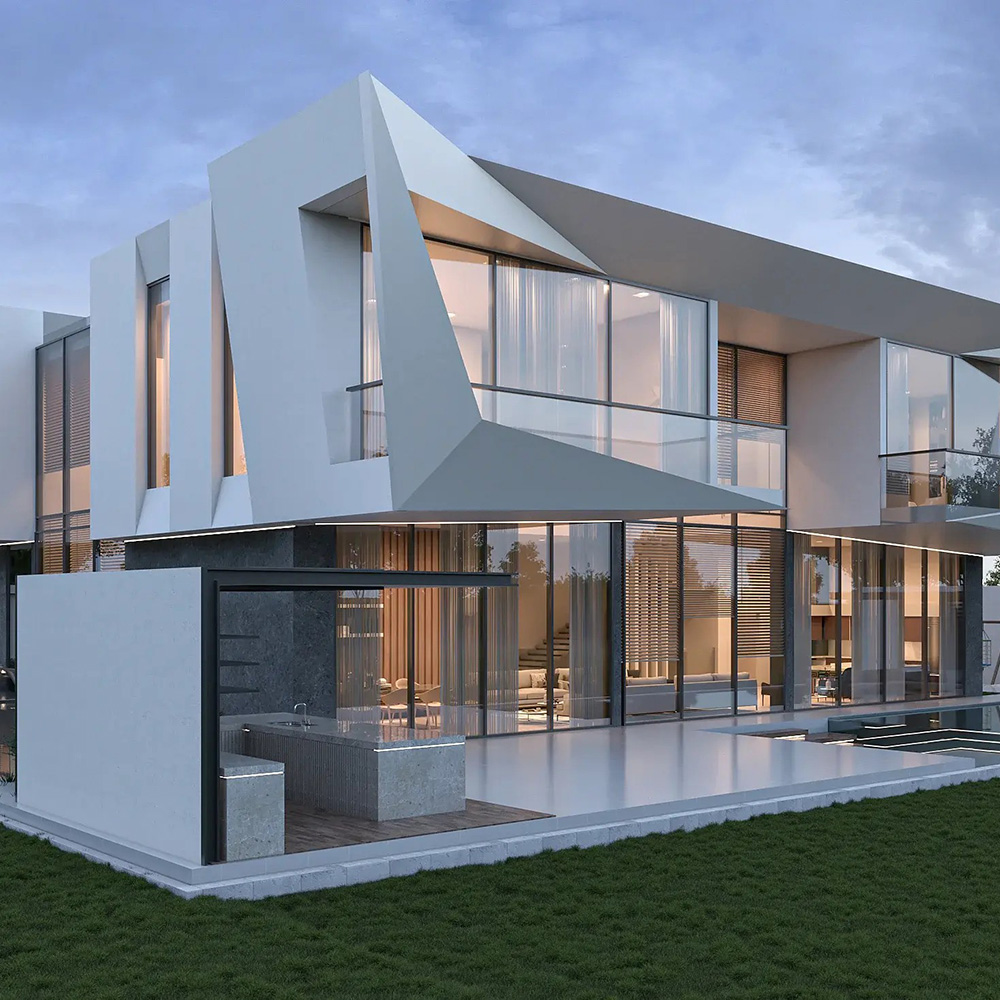
Fourth, diverse designs adaptable to mainstream European architectural styles. European architecture encompasses a variety of styles, including minimalist modern, classical European, rustic, and luxurious villas. Aluminum alloy windows and doors are highly versatile, allowing for designs such as ultra-narrow frames, large floor-to-ceiling windows, casement windows, sliding doors, and folding doors. Surfaces can be painted in any color, with realistic matte, frosted, and wood-grain finishes, matching the open and airy feel of modern minimalist architecture while replicating the elegant style of traditional buildings. Large fixed glass windows with narrow frames further align with the European lifestyle of connecting indoor and outdoor spaces and embracing courtyards and nature.
Fifth, green, low-carbon, and recyclable, conforming to the European circular economy concept. Aluminum alloy is a 100% recyclable material with high recycling rates. The reprocessing process is energy-efficient and low-polluting, meeting European EPD environmental certification and carbon footprint accounting requirements. Compared to the environmental shortcomings of excessive timber deforestation and the non-biodegradable nature of PVC windows, aluminum alloy doors and windows are greener throughout their entire lifecycle, from production and use to disposal, aligning with the mainstream trends of low-carbon building and sustainable development in Europe.
Finally, they offer higher structural strength and better security. Aluminum alloy profiles are highly durable and impact-resistant, and when combined with high-end anti-theft hardware and multi-point locking designs, their security level far exceeds that of ordinary wooden and PVC windows, effectively preventing forced entry and meeting the security priorities of European families. Furthermore, the strong load-bearing capacity of the profiles allows for the production of extra-large glass doors and windows, satisfying design needs for ample natural light and expansive views.
In summary, aluminum alloy doors and windows, with their comprehensive advantages of weather resistance, energy efficiency, sound insulation, sealing, versatile design, low carbon footprint, and robust construction, perfectly suit European climate characteristics, policies, regulations, living habits, and aesthetic preferences. Whether for new home construction or renovation, they represent the top choice in the European market for doors and windows, offering the best overall cost-effectiveness and long-term value.